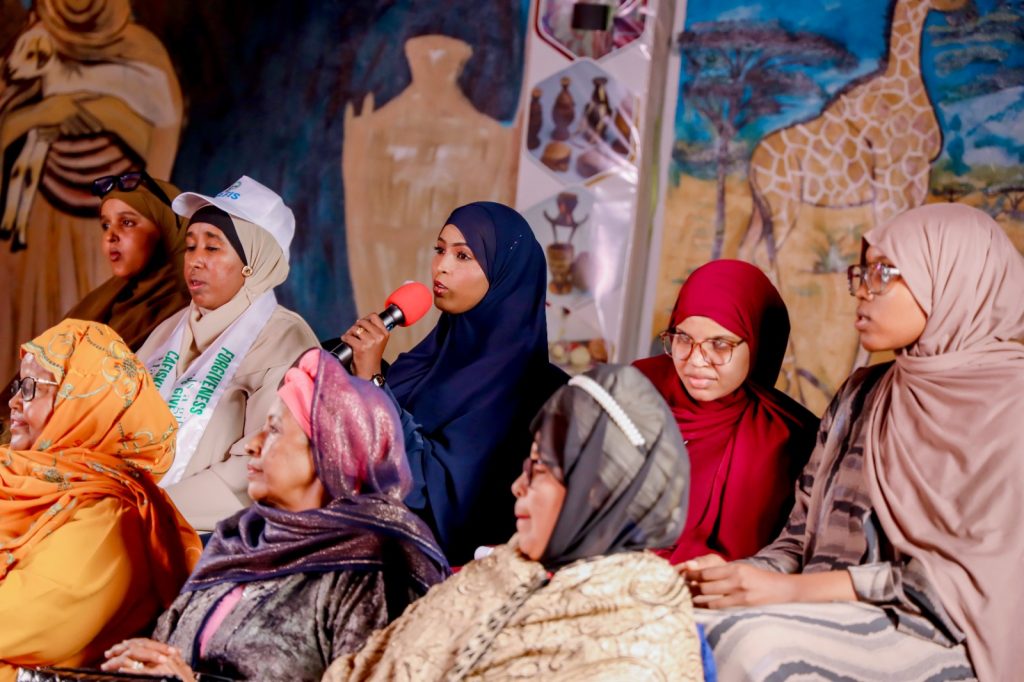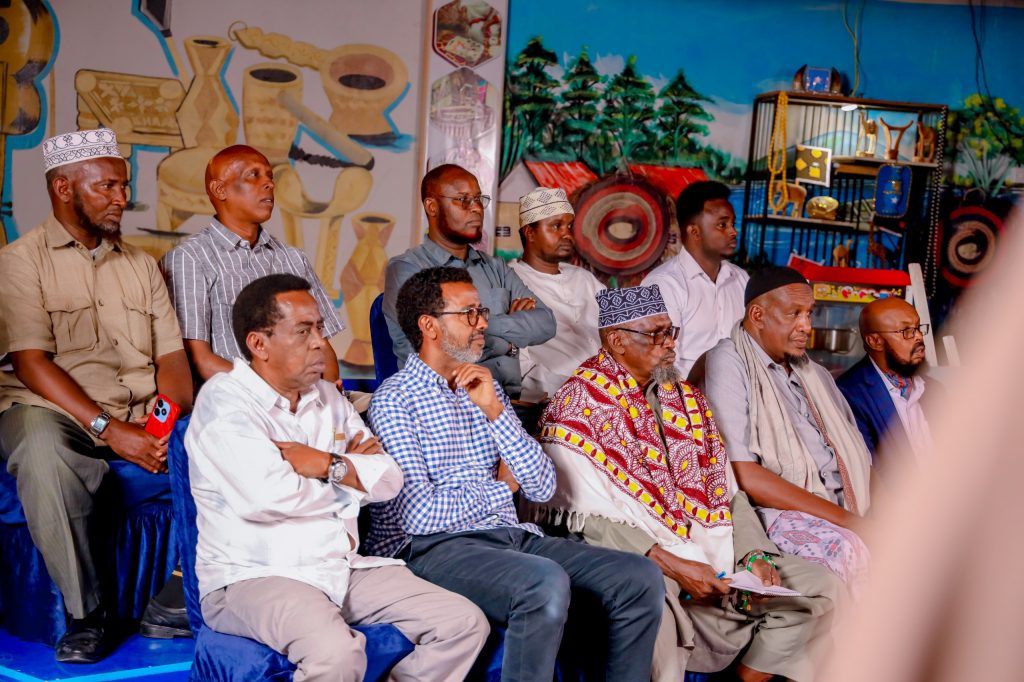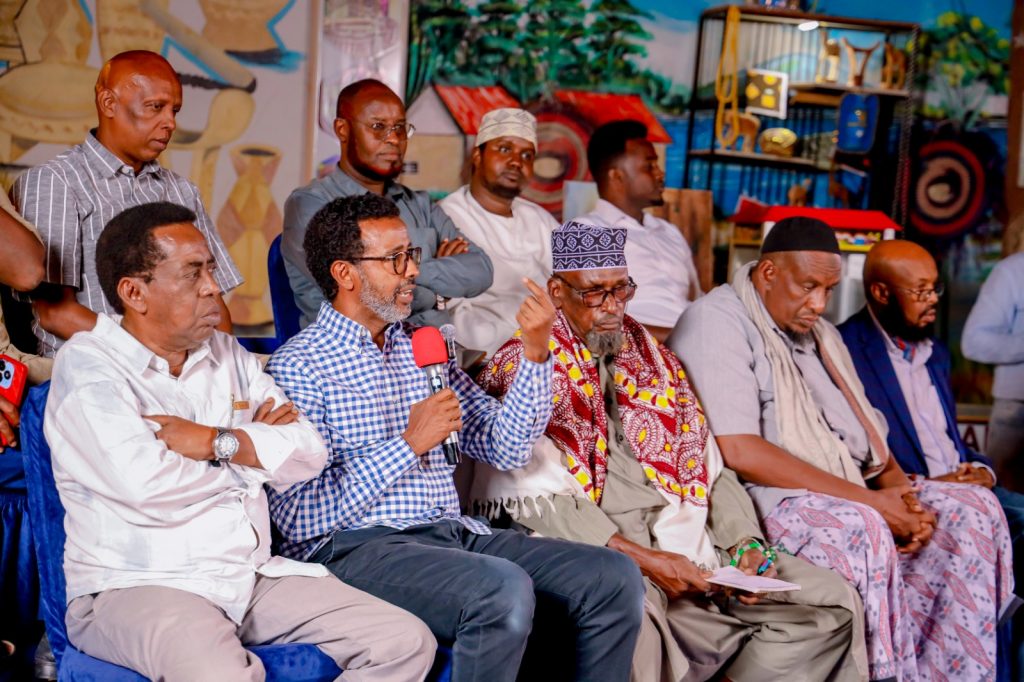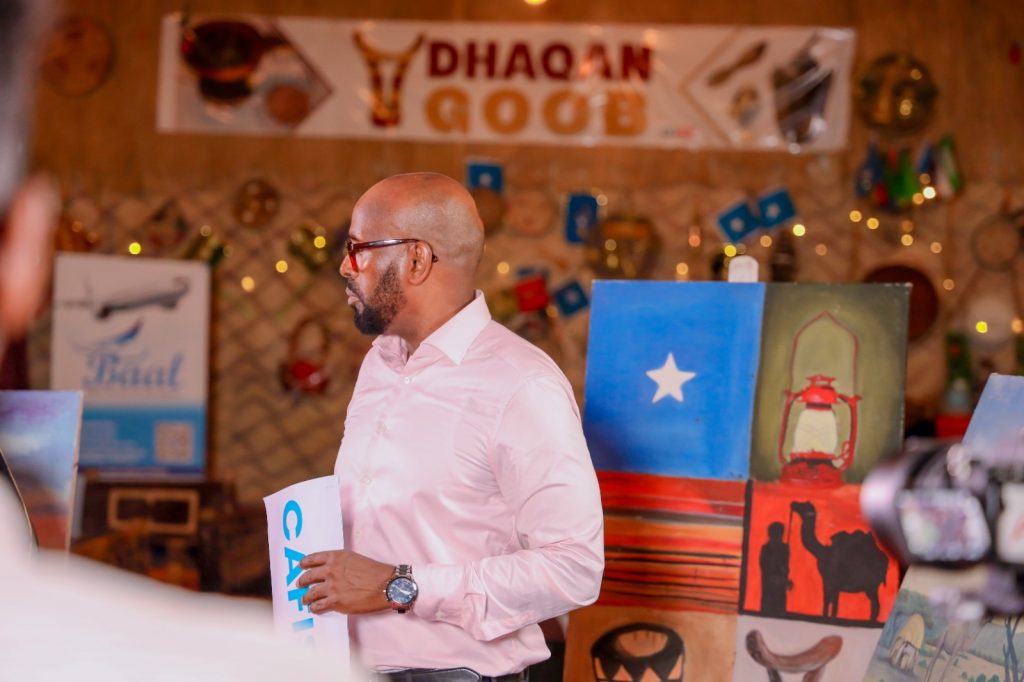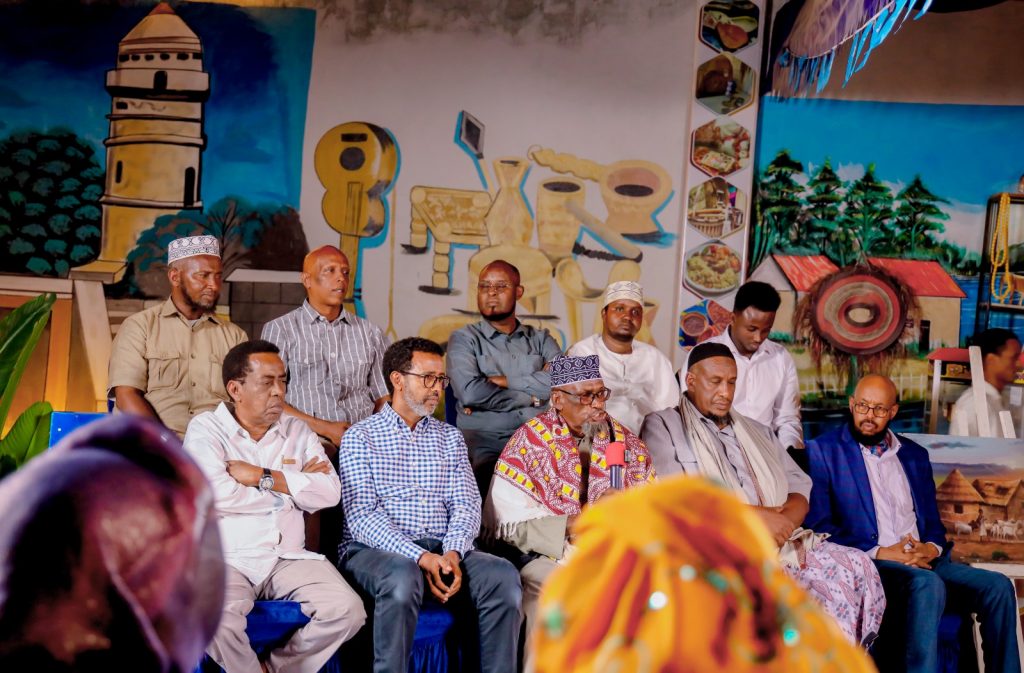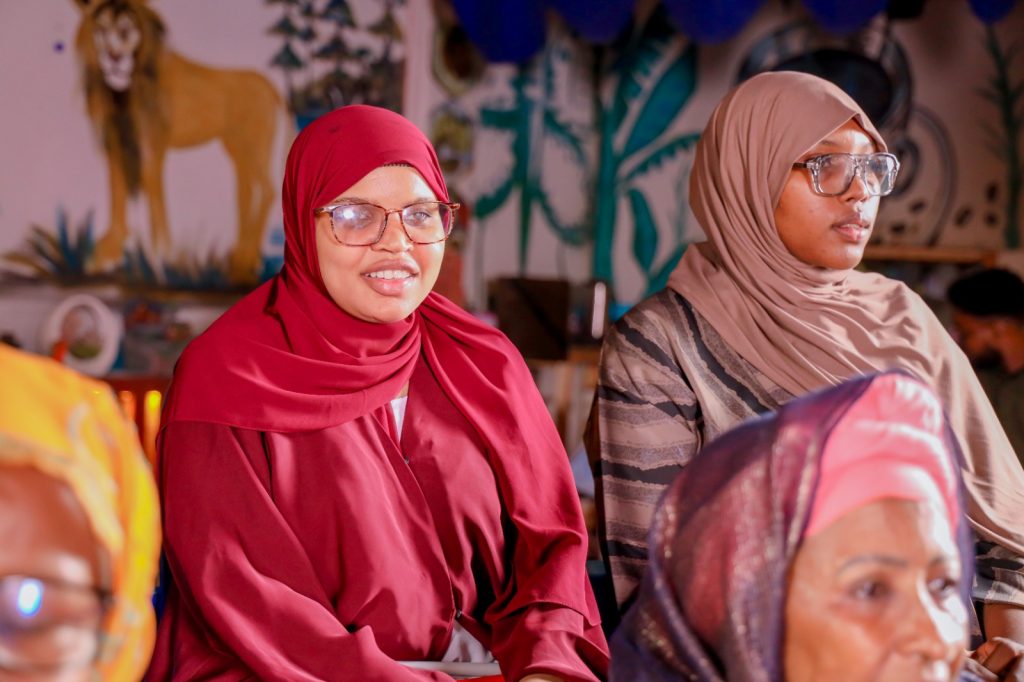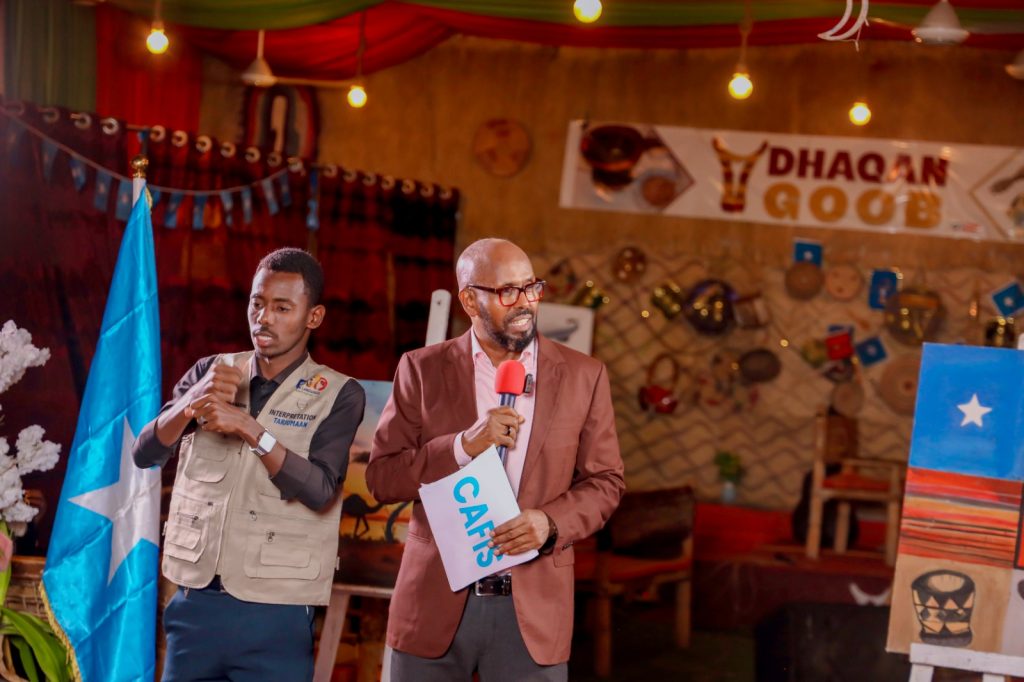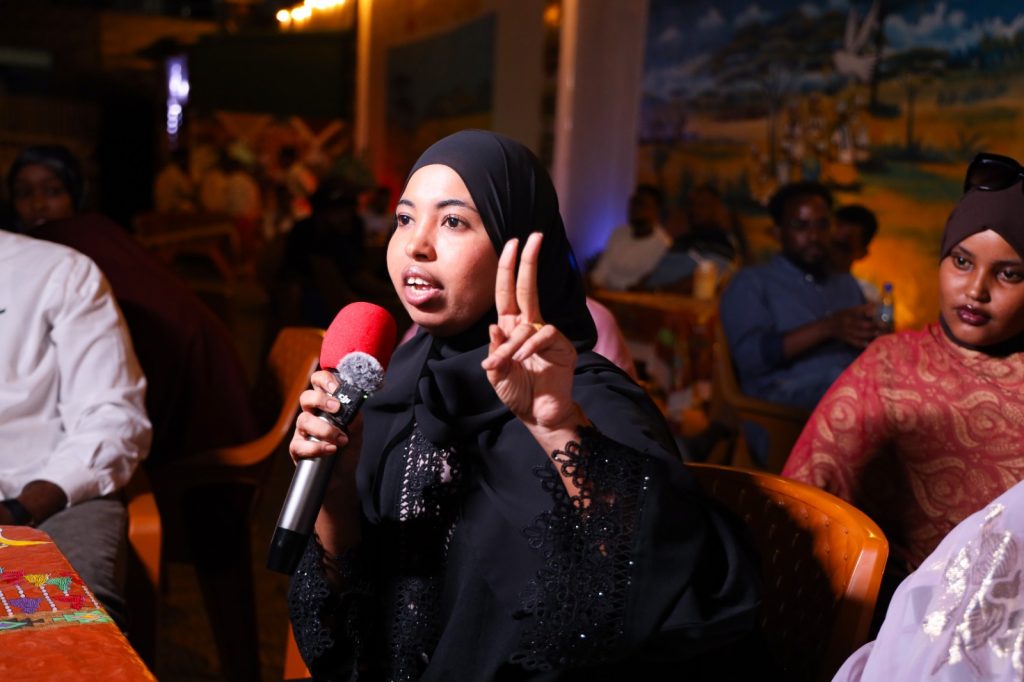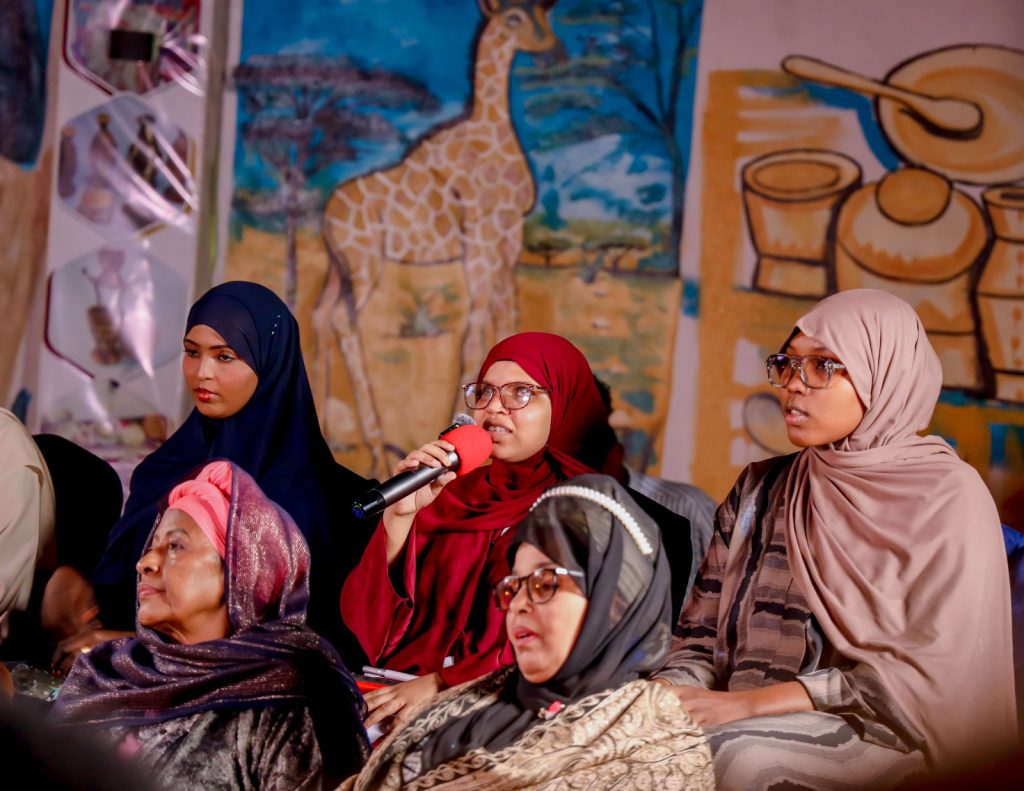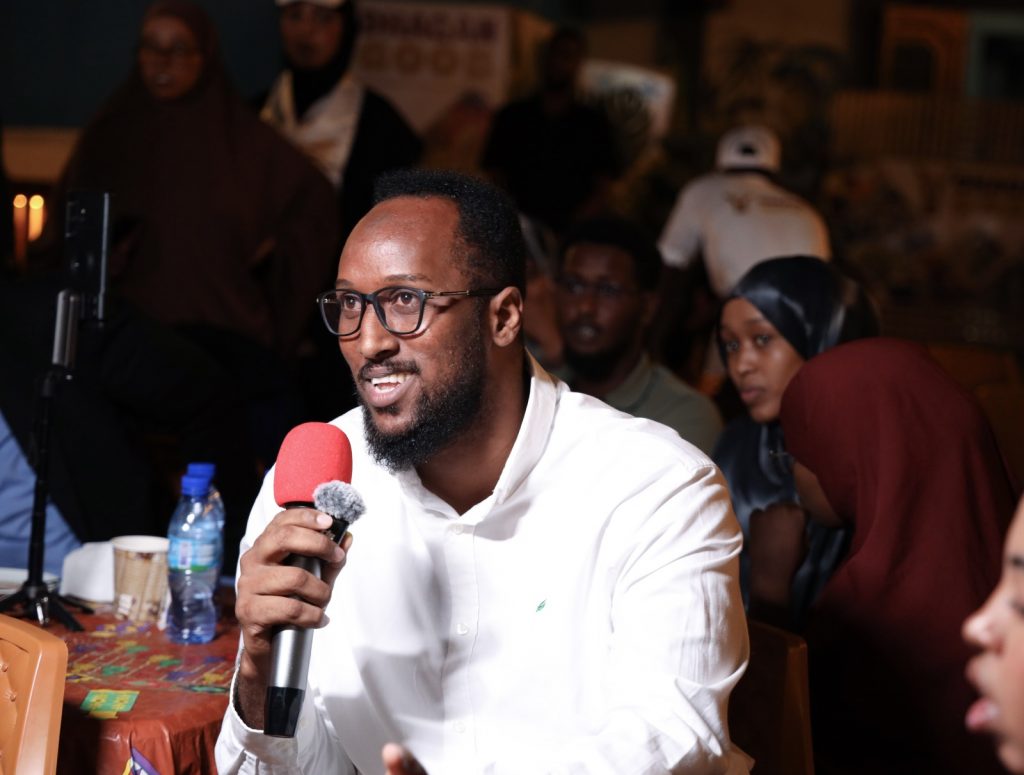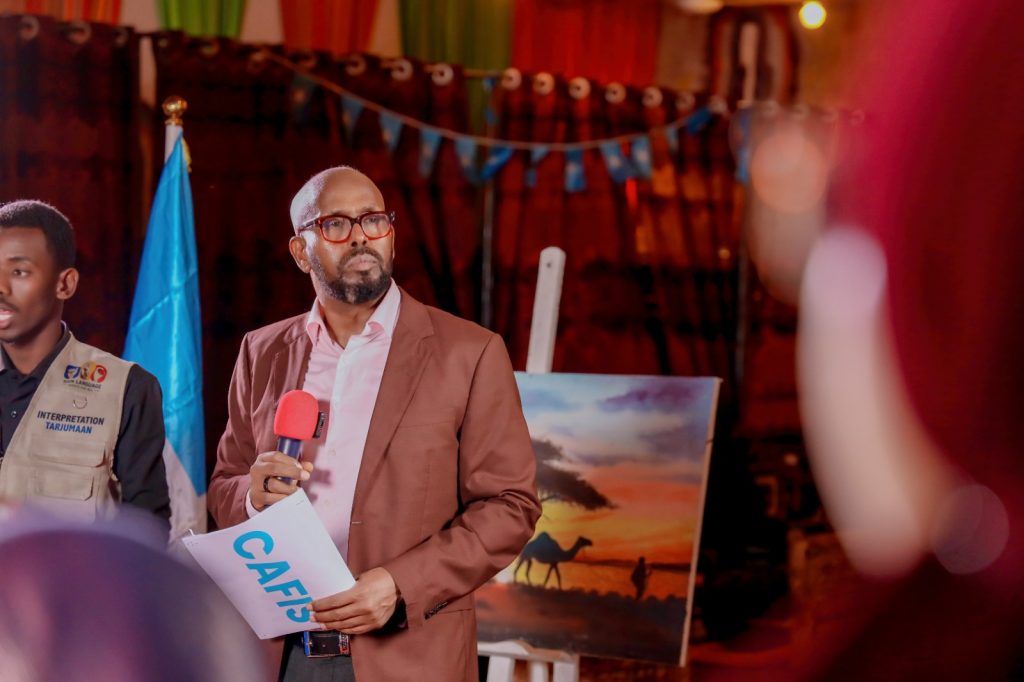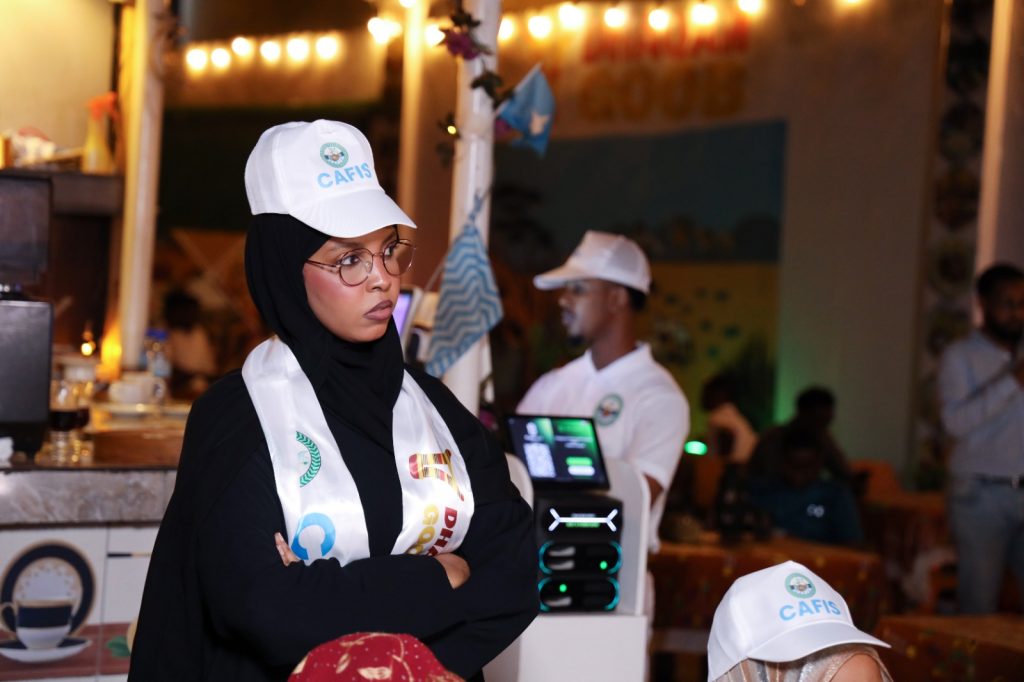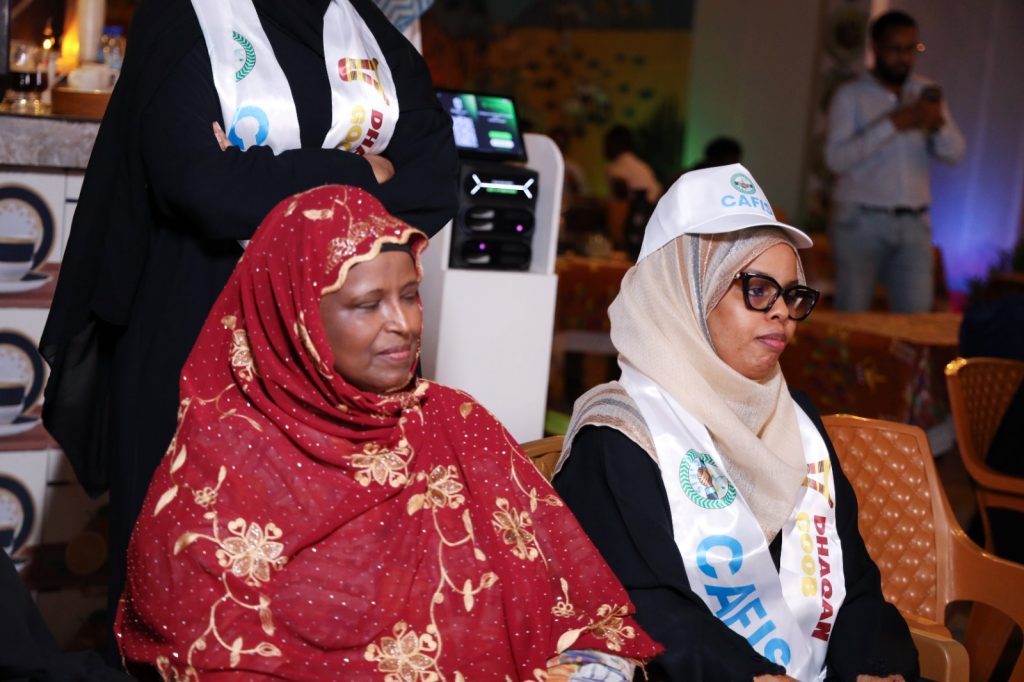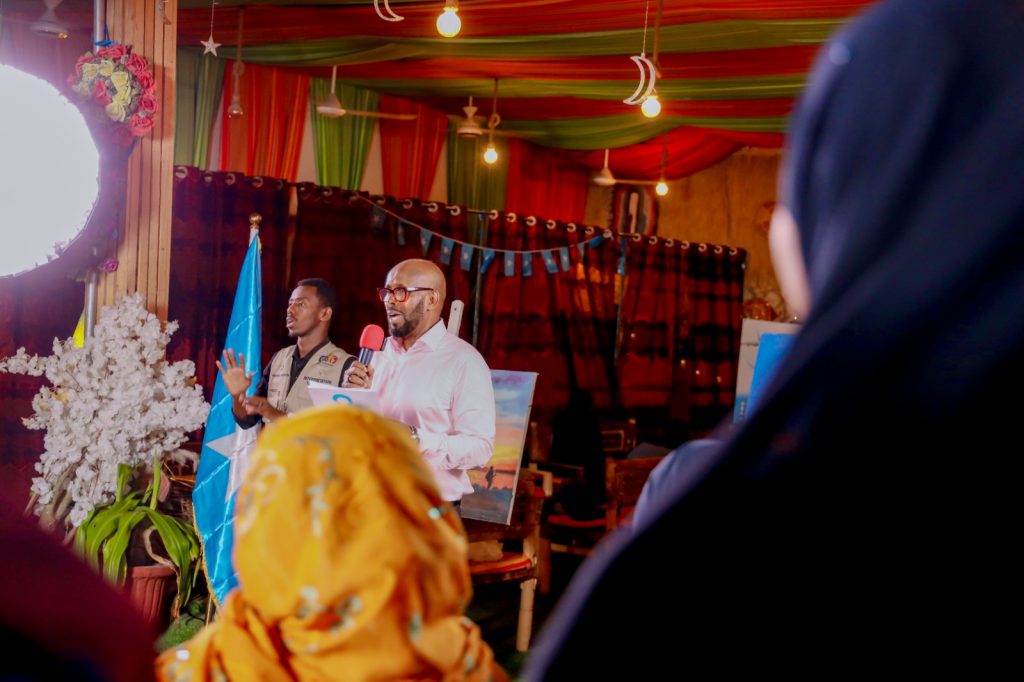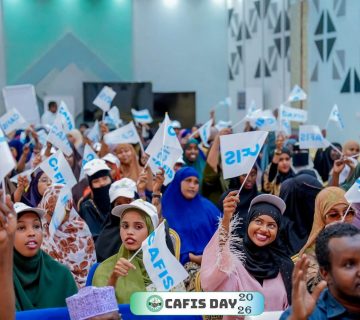
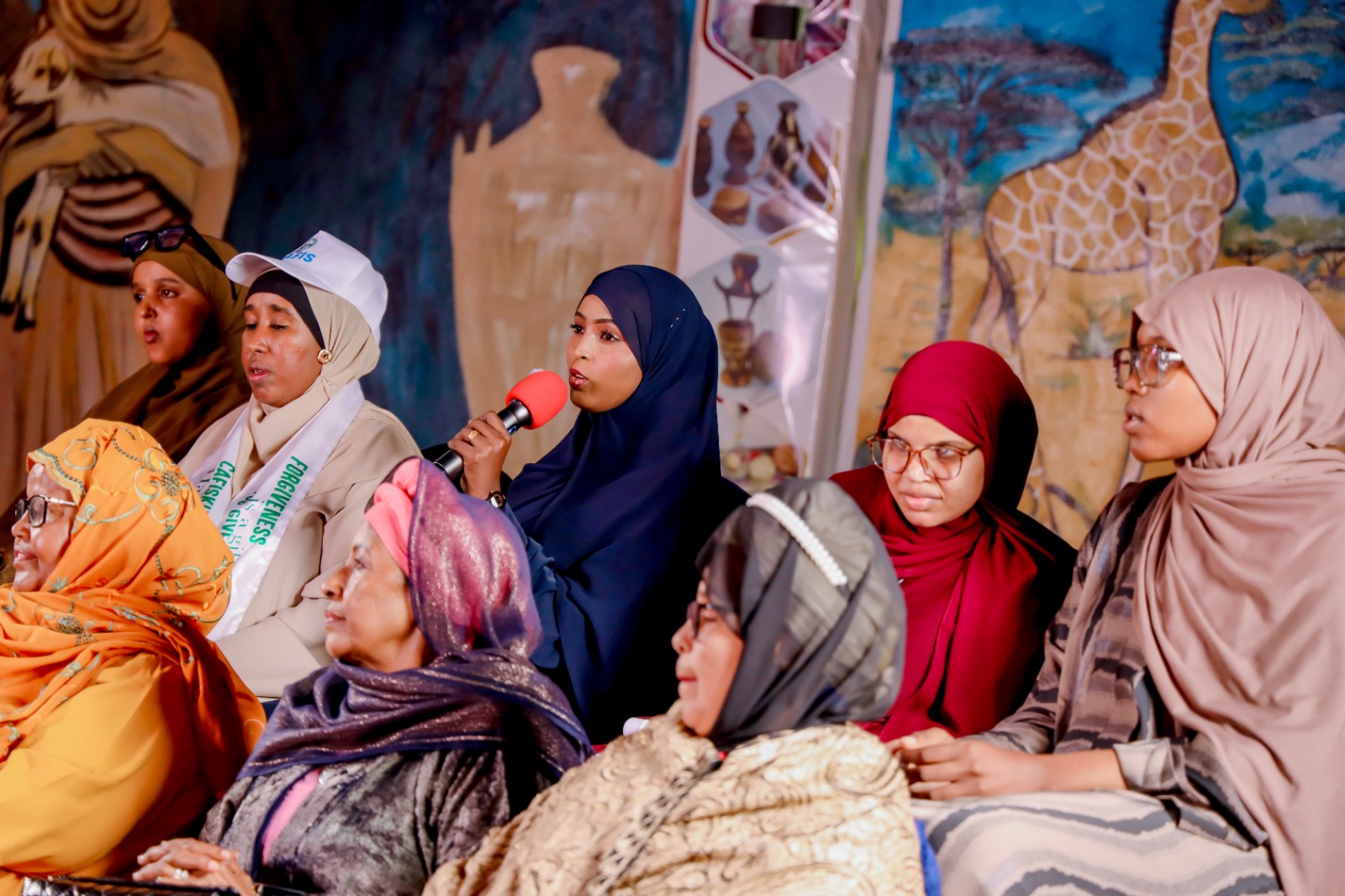
Mogadishu, Somalia – July 19, 2026 A high-level public dialogue marking the 10th anniversary of CAFIS was held in Mogadishu at Dhaqan Goob, bringing together key stakeholders to examine the role of Somali women in peacebuilding, reconciliation, and community cohesion.
The dialogue, organized by CAFIS, focused on a central and thought-provoking question: why Somali women, despite their significant contributions, are not formally recognized as traditional peace elders (Nabadoonad).
Participants—including traditional leaders, religious scholars, women leaders, academics, and peace practitioners—highlighted that women have long played a vital role in informal mediation, family diplomacy, and community stability. However, their contributions often remain unrecognized within formal customary systems.
Discussions emphasized that while women’s leadership has expanded across governance, education, business, and civil society, formal peace leadership structures remain predominantly male.
Key themes included the need to bridge the gap between tradition and inclusion, with participants agreeing that strengthening collaboration between traditional elders and women leaders is essential for achieving sustainable peace. The dialogue also stressed that peacebuilding requires multiple forms of leadership, including education, economic empowerment, and civic participation.
Participants further examined barriers such as historical norms, lack of formal recognition, and limited documentation of women’s contributions. They called for continued national dialogue, stronger research, and inclusive policies that recognize women as equal partners in peacebuilding.
The dialogue concluded with strategic recommendations for government, traditional leaders, civil society, and development partners to strengthen women’s participation in peace processes. Emphasis was placed on inclusive governance, collaboration, and long-term investment in women’s leadership.
As CAFIS enters its second decade, the organization reaffirmed its commitment to advancing inclusive peacebuilding through dialogue, research, and community engagement, highlighting that sustainable peace in Somalia depends on recognizing and empowering women as central actors in reconciliation and national development.